


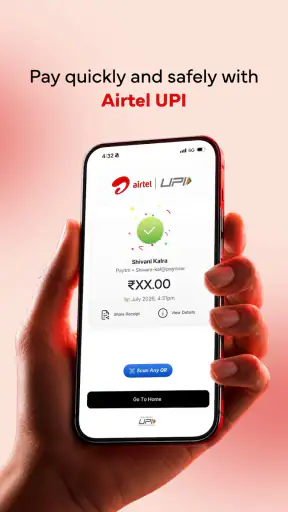



Airtel: Recharge, Bank & Loans is the kind of finance app that makes an immediate impression because it brings several everyday money tasks into one place. I used it mainly as a practical hub rather than as something I would open for entertainment, and that distinction matters. Its strongest appeal appears during the first week, when having recharge tools, bill payments, UPI, rewards, banking-related services and loan access close together can remove a surprising amount of switching between apps.
Developed by Airtel, this free finance app is aimed at Everyone and runs on Android devices using version 7.0 or later. It has grown into a very familiar option, with over 500 million installs and a 4.0 average from around 8 million ratings. Those figures suggest that it is not a niche utility used only by dedicated Airtel customers. Still, popularity does not automatically make it the best long-term fit, so I paid more attention to recurring usefulness than to the initial convenience.
What feels useful at the start, and what lasts beyond it
The first week is where the convenience becomes obvious
The easiest way to understand the app is to imagine a normal week with several small financial chores. A mobile plan needs a recharge, a household bill is due, a friend asks for a UPI payment, and you want to check whether a reward or offer is available. Instead of remembering which separate application handles each task, I can begin in one Airtel interface and work through the relevant service. That reduction in app-hopping is the product’s clearest first impression.
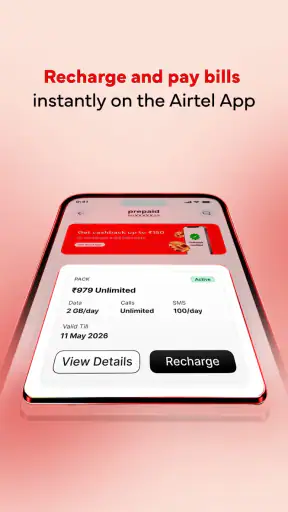
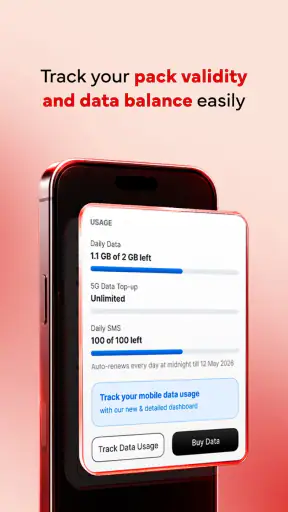
Recharge is naturally one of the most approachable starting points. If Airtel is already part of your mobile routine, the app feels more purposeful than a general wallet that happens to support recharges. The account context can make a familiar task feel quicker, particularly when I am topping up at an inconvenient moment rather than comparing plans for a long time.
UPI adds a broader reason to keep the app installed. It means the application is not limited to Airtel account management; it can also take part in ordinary person-to-person payments and other UPI situations. In practice, I would use it for a quick transfer or payment when I am already inside the app, but I would still compare the experience with a dedicated UPI application before making it my only payment tool.
The combined design also helps people who prefer one recognizable brand for several money actions. Someone who dislikes maintaining a collection of separate finance apps may appreciate the straightforward mental model: open Airtel, look for the task, and continue. That is especially useful for less confident users who would rather not learn different layouts for recharge, bills and payments.
Rewards can attract attention, but they should not decide the routine
The rewards area gives the first-week experience an extra sense of discovery. I naturally checked it while completing other tasks, because a reward feels like a pleasant bonus when it appears beside something I already intended to do. The important discipline is to treat rewards as incidental. Changing a payment habit merely to chase an offer can make a finance app feel more complicated than the saving is worth.
I found the better approach is to complete the necessary transaction first, then inspect the reward details carefully. Check the conditions, the timing and how the benefit can actually be used before counting it as money saved. This small habit prevents the common disappointment of assuming that every visible promotion is an immediate reduction in the amount paid.
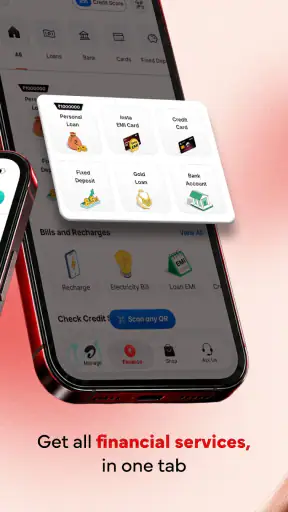
The app’s store summary mentions bills, UPI, rewards and more, but the practical value comes from how those pieces fit into your own routine. If you only need an occasional recharge, the wider menu may feel excessive. If you regularly use several of its financial sections, the same breadth becomes the reason to return.
Banking and loans require a slower, more cautious approach
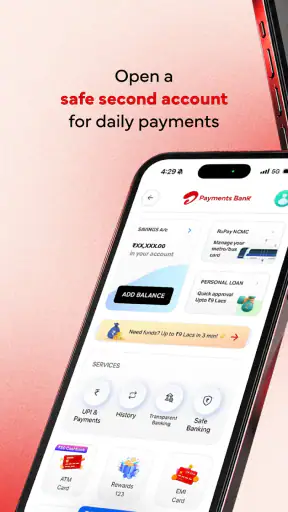
Banking and loan-related areas deserve a different mindset from a quick recharge. I would not enter those sections while rushing between errands. Financial products can involve eligibility, repayment responsibilities and terms that need careful reading, so the app is best treated as a place to explore and manage relevant services, not as a shortcut around financial judgment.
For a user who wants to see several types of money service in one application, this range is useful. For someone who wants a focused bank account experience or detailed borrowing guidance, a dedicated bank application or direct lender channel may be easier to understand. The presence of a loan section does not make borrowing automatically suitable, and I would never let an attractive interface replace checking the total obligation and repayment schedule.
The month-to-month value depends on repeated tasks
After the novelty fades, the app earns its place through repetition. A finance app does not need to be exciting; it needs to be dependable when a payment is due. Airtel’s recurring value is strongest for people who recharge regularly, pay bills through the same ecosystem, use UPI often, or want rewards and account services available beside those actions.
My practical test is simple: after the first few visits, do I still have a reason to open it without browsing? If the answer is yes because I use it for monthly bills or frequent transfers, the broad feature set begins to justify itself. If I only opened every section once and then returned to another payment app, the installation becomes harder to defend.
Monthly routines also make organization more important. I would use a consistent sequence: check the intended recipient or account, confirm the amount, review the final screen, and save any confirmation needed for personal records. This is not glamorous advice, but it reduces mistakes when several services share one interface. A single app can be convenient while still requiring the same attention as separate financial tools.
One useful trade-off is speed versus concentration. Airtel can reduce the time spent moving between applications, but the home screen may present more choices than a single-purpose payment tool. For a regular user, that wider dashboard becomes familiar. For an occasional user, finding the exact service may take longer than expected because recharge, bills, UPI, rewards, banking and loans compete for attention.
Keeping it useful means managing the maintenance burden
The maintenance burden is not only about installing updates. It is also about keeping track of which service you used, checking transaction confirmations, reviewing reward conditions and staying alert when moving from a simple payment into a more consequential financial product. A combined finance app can simplify access, but it does not remove the need for personal organization.
The current version is 4.150.2, which shows that the app is an actively maintained product rather than a forgotten utility. Even so, I would still review the interface after major changes instead of assuming that a familiar button remains in the same place. Finance applications evolve, and a workflow that was quick last month may require an extra confirmation or a different route later.
I also recommend keeping the app’s role clear in your mind. Use it as a transaction tool and service dashboard, not as a place to browse endlessly. Before confirming a recharge or payment, pause at the final amount and destination. Before considering a loan, leave the quick-payment mindset behind and read the relevant terms with the seriousness you would give any financial commitment.
Another practical tip is to avoid relying on rewards as your record-keeping system. I would still note important payments in the method I normally use, especially for household bills. Rewards can be useful, but they are not a substitute for knowing what was paid, when it was paid and which account or number received the transaction.
Where fatigue begins after regular use
The biggest source of fatigue is breadth. The same all-in-one design that feels helpful at first can eventually feel busy. If I open the app only to make one UPI payment, the additional sections may add visual noise rather than value. A focused payment application can be more comfortable for people who want the shortest possible path from opening the app to completing one transfer.
There is also a mental cost to mixing low-risk and high-consequence actions. Recharging a phone and exploring a loan service are very different activities, yet they can live within the same product. I would prefer to slow down deliberately whenever I move beyond routine payments. Users who want a very clear separation between daily spending and borrowing may feel more comfortable using specialist apps instead.
Dependence on one ecosystem can be another limitation. The app makes the most sense when Airtel services are already part of your life. If your mobile service, banking habits and preferred UPI workflow are centered elsewhere, the convenience may not be strong enough to overcome the effort of maintaining another finance application.
I would also avoid installing it simply because it offers many categories. More sections do not necessarily mean more value. The right question is whether the specific combination of recharge, bills, UPI, rewards, banking and loans matches your monthly behavior. If you need only one occasional service, a smaller tool may be less distracting and easier to audit.
Who should keep it, and who should choose an alternative?
I think the app is a good long-term candidate for Airtel users who want a central place for regular recharges and bills, while also making occasional UPI payments. It is also sensible for people who prefer a familiar, broad dashboard instead of several narrowly focused applications. The free price removes the financial barrier to trying it, so the decision can be based on workflow rather than subscription cost.
I would be more cautious about recommending it as the main financial application for someone who wants advanced banking controls, detailed budgeting or a highly specialized borrowing experience. Those users may be better served by their bank’s own application, a dedicated UPI tool or a service designed specifically around budgeting. Airtel’s advantage is combination, not necessarily deep specialization in every area displayed.
For families, the app can be convenient when one person handles several routine recharges or bills, but I would still verify every number and recipient before pressing the final button. For students or occasional users, the broad selection may be unnecessary unless they already rely on Airtel services. For anyone considering a loan, I would use the app only as one place to investigate options and would compare the complete terms elsewhere before committing.
My long-term verdict after the novelty wears off
The app earns lasting space when it becomes part of a repeatable routine rather than a collection of features I explore once. Its strongest case is practical: Airtel brings recharge, bills, UPI, rewards, banking and loans into a single finance destination, and that can make ordinary money chores easier to remember and complete.
Its weaker side is equally clear. The broad menu can create clutter, rewards can encourage unnecessary attention, and banking or loan services demand more care than the quick interface may suggest. I would not choose it solely for promotional appeal, and I would not replace a specialist banking or budgeting tool unless Airtel’s combined workflow genuinely saves me time each month.
With an Everyone age rating, a free download and support for Android 7.0 or later, it is accessible to a wide range of users. Airtel has also been available since July 7, 2016, giving it a long presence in the mobile finance space. My recommendation is therefore conditional but positive: install it if its recurring services match your habits, keep it if it reduces monthly friction, and remove it if the extra sections become more work than the tasks they simplify.
My bottom line is that Airtel: Recharge, Bank & Loans is most valuable as a dependable routine tool, not as an app to browse for novelty. I would keep it for regular Airtel management, bill payments and convenient UPI access, while using extra caution around rewards, banking and loans. When those boundaries are clear, the app has a realistic chance of earning permanent space on your phone instead of becoming another finance app opened once and forgotten.


